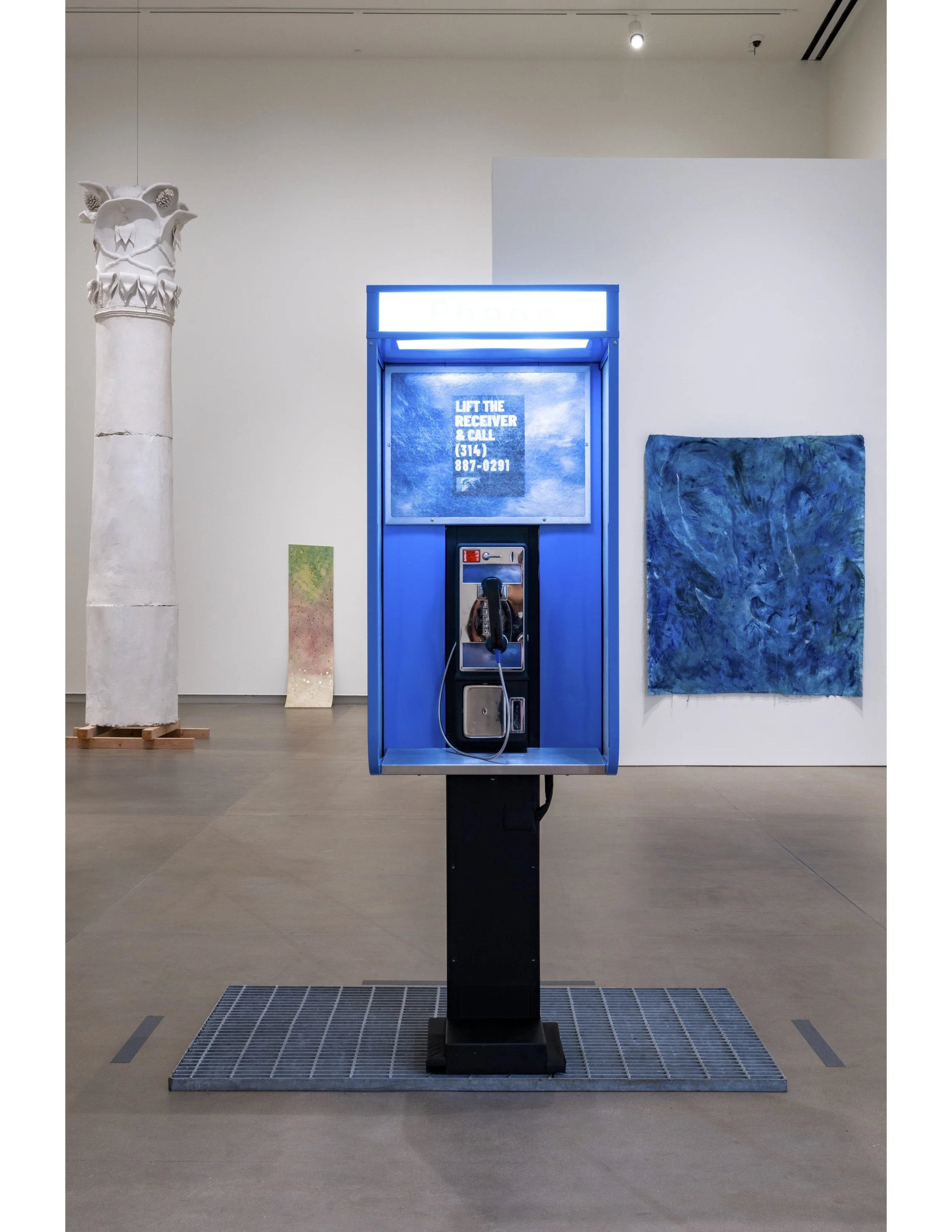
Something happens in the body when a phone rings in an empty room the reflex to answer, to be present at the other end. The Pigeon Bureau begins in that reflex and then redirects it entirely. The number is real. When you call, no one answers. A directory opens instead, five extensions into a different register of communication, memory, and loss. You have not reached anyone. You have been connected to something.
(314)887-0291 | Call
Press 1 · Department of Messages Lost in Transit — an archive of incompletion, the gap between intention and receipt that structures all transmission.
Press 2 · Urban Coexistence — the ecology of the rooftop, the ledge, the bridge underpass; the animal most thoroughly woven into urban infrastructure and most thoroughly ignored by it.
Press 3 · Migration Services — the phenomenology of homing: what it might mean to carry a destination in the body, to move not by consulting a map but by feeling the pull of home as a physical force.
Press 4 · Correspondence and Mourning — messages addressed to the dead, the estranged, the relationships that ended without resolution. The archive does not deliver them. It holds them, which is a different form of care.
Press 5 · Pigeon Dispatch — listen-only. Wingbeat, cooing, the ambient acoustics of the loft, and then the call ends. No prompt, no invitation to contribute. In a project substantially about listening across species, it matters that there is one moment where the human caller is the recipient rather than the sender.
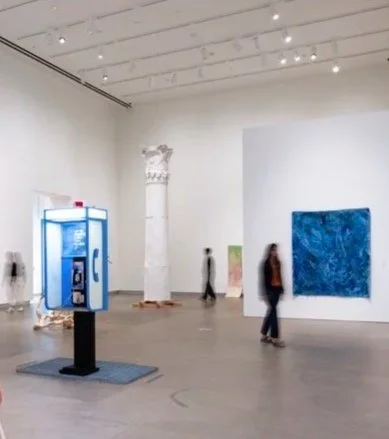
The archive holds more than 160 spoken messages to date, gathered from lofts, from breeders, and from strangers handed a business card — each handoff its own small encounter, carrying the work past gallery walls into someone's daily circuit. At the Kemper, a refurbished public payphone stands on a salvaged industrial grate with a printed cloud trapped beneath it: a quiet monument to things built with care, used until deemed obsolete, then abandoned rather than honored. The cloud refuses that abandonment. It holds the sky in place.